


-

-

20 Dec 2025
-

Ransomware & Threats
Ransomware Evolution: New Tactics Targeting Supply Chains
Ransomware operators have entered a new era. Instead of targeting single organizations, threat groups in 2025 have shifted their focus to entire supply chains, vendor networks, software distributors, and managed service providers (MSPs). By compromising a single upstream provider, attackers gain lateral access to hundreds or even thousands of downstream victims simultaneously—dramatically increasing ransom leverage and recovery complexity.
This “multi-tenant compromise” approach has proven more profitable than the traditional big-game hunting strategy. In many cases, victims were affected not because they were directly breached, but because a supplier handling updates, authentication services, or IT support was compromised. The cascading effects of these attacks triggered financial losses, compliance failures, halted production, and cross-border operational disruptions.
2025 ransomware campaigns introduced a three-layer exploit chain: upstream infiltration, ecosystem-wide distribution, and synchronized encryption events. This strategic design overwhelms response teams and drives ransom payments through operational desperation rather than data exposure.
One notable tactic gaining prominence is “Update Supply Interception,” where attackers compromise firmware or software update channels used by industrial and enterprise environments. When legitimate updates propagate, the ransomware payload propagates with them. This mirrors historical incidents like SolarWinds and Kaseya, but modern variants are more automated, AI-curated, and resilient against shutdown attempts. Once deployed, encryption no longer triggers immediately—payloads now wait for synchronized execution to maximize downtime impact.
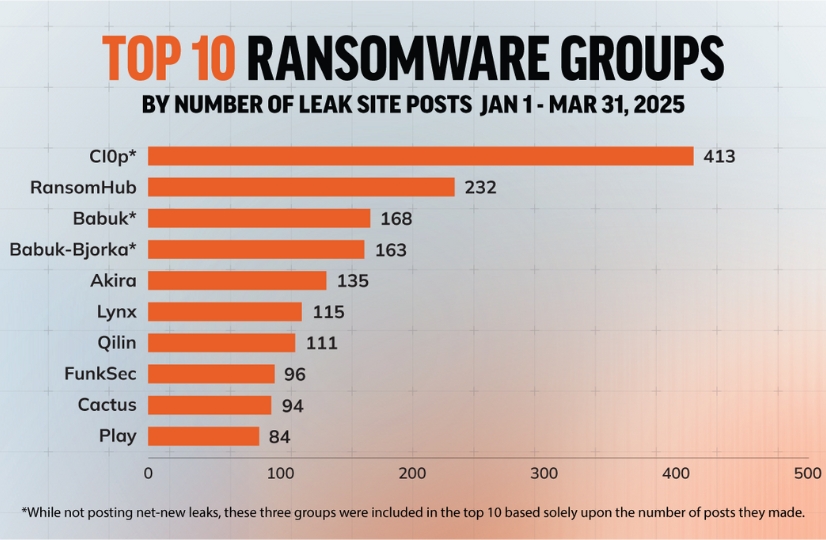
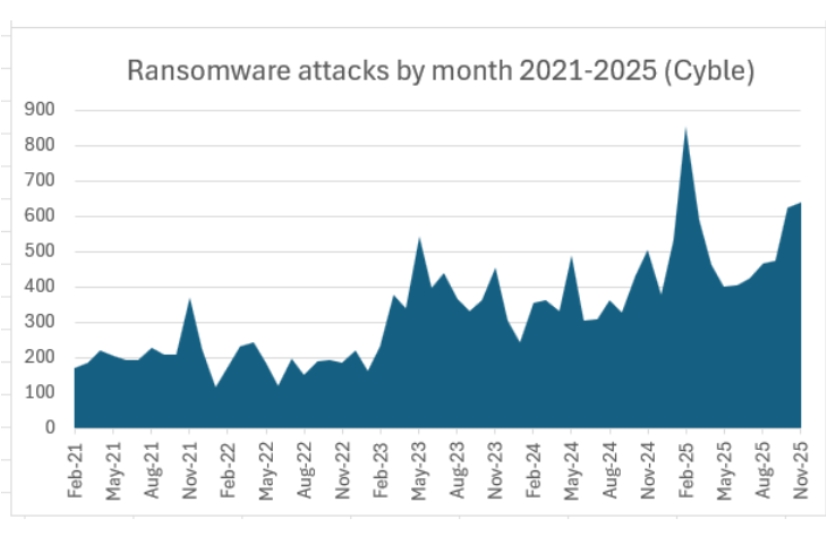
During recent case studies in manufacturing and logistics sectors, attackers deployed “double-impact extortion.” Not only were files encrypted, but also Transport Management Systems (TMS) and Production Execution Systems (MES) were disrupted—forcing companies to choose between operational collapse or ransom payment. Some groups introduced a third layer: stock market manipulation. By leaking breach details publicly, they artificially reduced company valuation before negotiating ransom demands.
To counter these evolved tactics, enterprises are implementing multi-layered defense strategies. Behavioral endpoint detection (EDR/XDR), immutable backups, privileged identity control, and vendor risk audits have become standard expectations. Cyber insurance carriers are also tightening coverage requirements, making ransomware resilience not just a cybersecurity issue, but a business continuity mandate.
Securozen Team
Threat analyst specializing in ransomware ecosystems, cyber criminal business models, and incident response strategies. Jordan provides advisory for enterprises affected by multi-tenant supply chain breaches across critical industries.
Reviews

Saurabh Patel
Excellent breakdown of the supply chain exposure problem. The synchronized payload execution strategy is something more organizations need awareness about.

Pooja Verma
Very relevant topic for logistics and MSP industries. Would love a follow-up post on cyber insurance and vendor liability implications.
Leave a Comment